Transport Vehicle Engineering

Bosh sahifa Transport Vehicle Engineering

Transport Vehicle Engineering


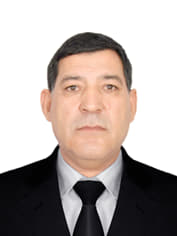
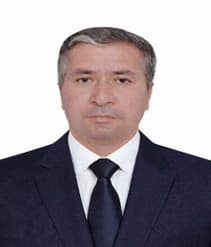
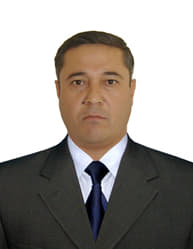
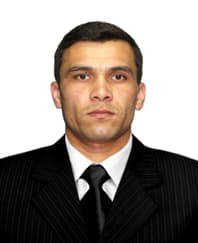
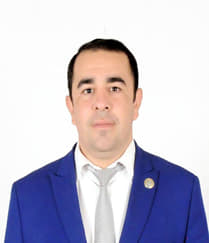
Head of the department

Gaffarov Hasan Ravshanovich

  • Qabul vaqti: Monday to Friday (from 14:00 to 16:00)
  • Telefon: +998 97 306 07 37
  • Email: -

In 2020, within the Faculty of "Mechanics and Architectural Construction," a new structural unit – the Department of "Fundamentals of Mechanics and Ground Transport Systems" – was established. The creation of this department was driven by the need to train highly qualified specialists in modern transport systems, agricultural machinery, and mechanical engineering fields. The department's activities are aimed at advancing engineering education, studying vehicle technologies, and conducting scientific and pedagogical work to ensure their effective application.

Between 1970 and 2019, the department was headed by M.M. Murodov, D.Sh. Bazarbaeva, N.S. Bibutov, N.M. Muradov, Sh.M. Muradov, and X.R. Ro`ziev. In August 2019, the department was renamed as the "Fundamentals of Mechanics and GTS" Department, with X.R. Gaffarov serving as head. Due to internal structural changes in 2021, the "Fundamentals of Mechanics and GTS" Department was split into the "Fundamentals of Mechanics" and "Vehicle Engineering" departments. Associate Professor X.R. Gaffarov currently serves as the head of the "Vehicle Engineering" Department.

From 2021, the department was renamed to the "Vehicle Engineering" Department to align with the field. This renaming aimed to expand the department’s scientific and pedagogical activities, cover modern directions in vehicle engineering, and adapt the educational process to international standards. Initially, the department offered two educational programs:
• 60810100 – Agricultural Mechanization,
• 5310600 – Ground Transport Systems and Their Operation (Automobile Transport).
During this period, the department had a total of 8 academic staff members, including 1 associate professor, 2 senior lecturers, 3 assistants, and 2 trainee teachers. Initially, education was only offered at the undergraduate level, with no master's programs. Over the following years, the department’s scientific and pedagogical potential and material-technical base significantly developed. As a result, the number of educational programs expanded, and today the department prepares highly qualified specialists in 9 undergraduate programs and 3 master's programs. Currently, the department employs a total of 36 academic and administrative staff, including 1 professor, 12 associate professors, 3 senior lecturers, 7 assistants, 12 trainee teachers, and 2 laboratory assistants. The department’s scientific-pedagogical team focuses on organizing the educational process based on modern pedagogical technologies, developing scientific research, and enhancing integration with industry. The faculty members have created over 20 textbooks and teaching guides to improve the learning process and regularly publish numerous scientific articles in national and international journals. Their research covers vehicle engineering, agricultural machinery, and transport systems operation. These studies contribute to the advancement of the field, increasing the efficiency of transport systems and developing modern engineering solutions.

Today, the "Vehicle Engineering" Department operates as one of the faculty’s leading departments, distinguished by its scientific potential, qualified academic staff, and modern educational programs.


Head of Department, Candidate of Technical Sciences, Professor
G'afforov Xasan Ravshanovich


Candidate of Technical Sciences, Associate Professor
O’rinov Nasillo Fayzilloyevich


Doctor of Philosophy (PhD) in Technical Sciences, Associate Professor
Norov Sobir Negmurodovich


Associate Professor
Saidova Muxabbat Xamroyevna


Doctor of Philosophy (PhD) in Technical Sciences, Associate Professor
Amonov Mahmud Idrisovich


Candidate of Technical Sciences, Associate Professor
Duskarayev Nartaylak


Doctor of Philosophy (PhD) in Technical Sciences, Associate Professor
Jo’rayev Toyir Omonovich


Doctor of Philosophy (PhD) in Pedagogical Sciences, Associate Professor
Adizova Sevara Yusupovna


Doctor of Philosophy (PhD) in Technical Sciences, Associate Professor
Fazliyev Jamoliddin Sharofiddinovich


Doctor of Philosophy (PhD) in Agricultural Sciences, Associate Professor
Hakimova Zarina Ziyodilloyevna


Doctor of Philosophy (PhD) in Technical Sciences, Associate Professor
Xalilov Jahongir Mansurovich


Doctor of Philosophy (PhD) in Technical Sciences, Associate Professor
Rajabov Bobir Bozorovich


Senior Lecturer
Kamolov Muhiddin Qurbonovich


Senior Lecturer
Bafoyev Dustmurod Xolmurodovich


Senior Lecturer
Yuliyev Ozod Olimovich


Assistant
Samandarov Ali Xayrullayevich


Assistant
Jumayev Ulug’bek Rustamovich


Assistant
Haydarova Nargiza Dilmurod qizi


Assistant
Abdullayeva Dilnavoz Khusniddinovna


Assistant
Hojiyev Oybek Odinayevich

BACHELOR'S PROGRAM

• 60712300 – Mechanical Engineering
• 60711300 – Metallurgy and Materials Technology
• 60720300 – Materials Science
• 60810100 – Agricultural Mechanization
• 60711400 – Automotive Engineering
• 60720800 – Mechanical Engineering Technology, Equipment and Automation of Manufacturing
• 60720600 – Materials Science and New Materials Technology (Mechanical Engineering)
• 60712500 – Automotive Engineering (by types) (Automobile Transport)
• 60810100 – Agricultural Mechanization (Extramural/Part-time)

MASTER'S PROGRAM

• 70712301 – Mechanical Engineering Technology
• 70711401 – Automotive Engineering (Automobile Transport specialization)

Bachelor's Program:

  1. 1. Introduction to the Specialization
    2. Foundry Alloys
    3. CNC Controlled Technological Equipment and Systems
    4. Lathe Work
    5. Hydraulics
    6. Theory of Cutting and Cutting Tools
    7. Materials Science and Engineering Fundamentals; Integrated Approach
    8. Fundamental Principles of Materials Science
    9. Heat Treatment Technology
    10. Non-metallic Materials Technology
    11. Hydraulics and Hydraulic Systems
    12. Materials Science and Structural Materials Technology
    13. Soil Science and Farming
    14. Livestock Product Production Technology
    15. Training for Modern Professions / Renewable Energy Sources
    16. Materials Science
    17. Hydraulics and Hydraulic Drives
    18. Fundamentals of Mechanical Engineering Technology
    19. Foundry Technologies
    20. Design of Mechanical Manufacturing Processes
    21. Design and Production of Blanks
    22. New Materials Technology
    23. Corrosion and Protection Methods
    24. Metal Forming under Pressure
    25. Structure of Materials and Quality Control of Parts
    26. Powder Composite Materials
    27. Tractors and Transport Vehicles
    28. Agricultural Machines
    29. Professional Skills / Engineering-Technical Work Modeling
    30. Precision Agricultural Systems
    31. Internal Combustion Engines / Green Economy
    32. Mechanization of Agricultural Production / Fuel and Lubricants
    33. Automated Production Technology
    34. Technological Equipment for Automated Production
    35. Special Course in Mechanical Engineering
    36. Innovative Techniques and Technologies in Mechanical Engineering
    37. Fundamentals of Automation of Production Processes in Mechanical Engineering
    38. Milling Work
    39. Control of Technical Systems
    40. Heating Devices
    41. Powder Composite Materials
    42. Foundry Technologies
    43. Structure of Materials and Quality Control of Parts
    44. Toolmaking Materials
    45. Corrosion and Protection Methods
    46. Mechanization of Agricultural Production
    47. Traffic Rules and Road Safety / Gardening and Vegetable-growing Machines
    48. Operation and Technical Service of Agricultural Machinery and Technologies
    49. Innovative Technology and Technology Transfer
    50. Mechanical Engineering Technology (Special Course)
    51. Design and Production of Technological Equipment
    52. Design of Automated Sections and Workshops

Master's Program

  1. 1. Scientific Research Methodology
    2. Design and Production of Cutting Tools in Mechanical Engineering
    3. Calculation and Design of Machine Tools and Tooling Systems
    4. Reliability of Machines and Processes
    5. Research Work and Preparation of Master's Thesis
    6. Scientific-Pedagogical Work
    7. Resource-Saving Technologies in Mechanical Engineering
    8. Precision and Its Technological Assurance in Mechanical Engineering
    9. CNC Machines and Machine Tool Complexes
    10. Teaching Methodology for Special Subjects
    11. Resource-Saving Technologies in Mechanical Engineering
    12. Scientific Practice (Internship)
    13. Design of Reliability for Vehicles and Systems
    14. Prospective Development of Automotive Vehicles and Their Technical Operation
    15. Management of Technological Processes and Experimental Planning
    16. Methods for Determining Standards of Technical Operation of Automobiles
    17. Material and Technical Support and Resource Saving in Automotive Transport
    18. Ensuring Operability of Vehicles
    19. Comparative Engineering
    20. New Technical Solutions for Agricultural Machines
    21. Theoretical Calculation of Agricultural Machines
    22. Research Methods and Operation

TEXTBOOKS AND STUDY GUIDES

1. Orinov U.A., Amonov M.I., Yoldoshev M.N. "Fundamentals of Mechanical Engineering Technology" – Bukhara: "Sharq" Publishing, 2025.
2. Kamolov M.Q., Gaffarov H.R. "Design and Equipment of Automotive Transport Network Enterprises" Textbook. Bukhara: Umid, 2023, 444 pages.
3. Kamolov M.Q., Gaffarov H.R. "Technical Diagnostics of Automobiles" Textbook. Bukhara: Umid, 2023, 216 pages.
4. Kamolov M.Q., Gaffarov H.R. "Electrical Equipment and Electronic Systems of Vehicles" Textbook. Bukhara: Umid, 2023, 496 pages.
5. Kamolov M.Q., Gaffarov H.L., Samandarov A.X., Dushanov N.Q. "Service and Repair of Automobile Engines" Textbook. Bukhara: Kamolot, 2024, 424 pages.
6. Kamolov M.Q., Gaffarov L.X., Samandarov A.X., Samandarov V.A. "Internal Combustion Engines" Textbook. Bukhara: Kamolot, 2024, 202 pages.
7. Kamolov M.Q., Gaffarov L.X. "Practical Exercises on Repairing Vehicle Components" Study Guide. Bukhara: Umid, 2023, 220 pages.
8. Kamolov M.Q., Gaffarov L.X., Samandarov A.X., Djumaev Z.F. "Technical Operation and Service of Automobiles" Study Guide. Bukhara: Umid, 2023, 220 pages.
9. Kamolov M.Q., Gaffarov H.R., Jumaev U.R., Berdiev Z.R., Ilkhamova M.I. "Vehicle Design" Textbook. Bukhara: Durdona, 2024, 275 pages.
10. Kamolov M.Q., Kamolov Z.M. Electronic test collection for courses: "Internal Combustion Engines", "Automobile Design", "Technical Operation and Service of Automobiles", "Repair of Vehicle Components", "Electrical Equipment and Electronic Systems of Vehicles". Uzbekistan Intellectual Property Agency. №DGU 12839. 11.08.2021.
11. Kamolov M.Q., Gaffarov L.X. Certificate of official registration of software for computers. Uzbekistan Ministry of Justice, № DGU 21555. 12.01.2023.
12. Kamolov M.Q. "Fuel Supply System Service and Repair" for technical colleges. Study Guide. Bukhara: Kamolot, 2025, 142 pages.
13. Kamolov M.Q. "Fundamentals of Reliability Theory and Diagnostics". Study Guide. Bukhara: Kamolot, 2025, 99 pages.
14. Norov S.N. "Electrical and Electronic Equipment of Automobiles". Textbook. №391462, 2023.
15. Yuliyev Ozod Olimovich "Heat Engineering and Internal Combustion Engines". ISBN 978-9943-6979-9-7, 2025.
16. Bafoyev Dusmurod Xolmurodovich "Repair and Use of Technological Equipment". "Durdona" Publishing, ISBN 978-9910-634-72-2, 2025.
17. Bafoyev Dusmurod Xolmurodovich, Khalilov Jahongir Mansur o'g'li "Repair and Use of Technological Equipment". "GlobeEdit" Publishing, 2026, ISBN 978-620-9-18250-1.
18. Fazliyev Jamoliddin Sharofiddinovich "Development of Scientifically Based Drip Irrigation Technology for Orchards". "Bukhara Regional Printing House" LLC, 2026, ISBN 978-9910-8421-2-2.
19. Hakimova Zarina Ziyodillayevna, Fazliyev Jamoliddin Sharofiddinovich, Khalilov Jahongir Mansur o'g'li "Technology for Efficient Use of Domestic Wastewater". "Glebe Publishing", 2026, ISBN 978-620-9-43359-7.
20. Fazliyev Jamoliddin Sharofiddinovich, Hakimova Zarina Ziyodillayevna, Khalilov Jahongir Mansur o'g'li "Hydrometry". "Glebe Publishing", 2025, ISBN 978-620-9-30286-2.
21. Orinov Nasillo Fayzilloyevich "Hydraulics". "V.V.S." Publishing, ISBN 978-9910-8961-7-0, 2025.
22. Orinov Nasillo Fayzilloyevich "Machine Parts". Ipak Yuli Publishing, ISBN 978-9910-9238-9-0, 2024.
23. Adizova Sevara Yusupovna, Abdullayeva Dilnavoz Khusniddinovna "Foundry Technologies". "Durdona" Publishing, ISBN 978-9910-879-2, 2026.
24. N.R. Barakayev, N.F. Orinov "Lathe Work" (60720800 - Mechanical Engineering Technology, Equipment and Automation of Mechanical Production, Bachelor's Program). Study Guide. Bukhara: "Umid" Publishing, 2022, 295 pages.
25. N.F. Orinov, M.X. Saidova "Course Project in Mechanical Engineering Technology" (60720800 - Mechanical Engineering Technology, Equipment and Automation of Mechanical Production, Bachelor's Program). Study Guide. Bukhara: "Umid" Publishing, 2022, 195 pages.
26. Bafoyev Dusmurod Xolmurodovich "Hydraulic and Pneumatic Drives". № DGU 45598, Request No: DT 202413595.14.12.2024.
27. Orinov Nasillo Fayzilloyevich "Machine Components". № DGU 45023, Request No: DT 202412687.04.12.2024.
28. Saidova Muxabbat Xamroyevna "Theory of Cutting and Cutting Tools". № DGU 45022, Request No: DT 202412686.04.12.2024.
29. Abdullayeva Dilnavoz Khusniddinovna "Technological Equipment for Automated Production". № DGU 44164, Request No: DT 202412186.19.11.2024.
30. Saidov Muxtor Nutfullayevich "Operational Materials Used in Vehicles". DGU 202402611.10.03.2024.
31. Saidov Muxtor Nutfullayevich "Electrical and Electronic Equipment of Vehicles" Electronic Textbook. DGU 202405365.02.05.2024.

ONGOING SCIENTIFIC RESEARCH AT THE DEPARTMENT

  1. Specialization: 05.07.01 – "Agricultural and Land Reclamation Machinery. Mechanization of Agricultural and Land Reclamation Operations"
    1. Gaffarov Xasan Ravshanovich – Improvement and parameter optimization of tools for loosening subsoil in cotton-growing zones.
    2. Norov Sobirjon Negmurodovich – Justification of parameters for screw working bodies of land leveling machines.
    3. Xalilov Jahongir Mansur o’g’li – Parameter optimization of advanced machines for working between intensive orchard rows.
    4. Rajabov Bobir Bozorovich – Development and parameter justification of a device for a wide-coverage chisel-cultivator to level fields and form fine soil layers.
    Specialization: 05.02.14 – "Food Machinery and Apparatus"
    1. O’rinov Nasullo Fayzulloyevich – Improving efficiency of cutting machines for food products.
    Specialization: 05.02.03 – "Technological Machines. Robots, Mechatronics, and Robotic Systems"
    1. Ismoyilov Ibrohim Barotovich – Improvement of the wool combing machine design and working parameters.
    Specialization: 05.02.01 – "Materials Science in Mechanical Engineering"
    1. "Foundry. Thermal and pressure treatment of metals. Metallurgy of ferrous, non-ferrous, and precious metals. Technology of rare and radioactive elements."
    2. Duskarayev Nortoyloq – Development of an adjustment device for multi-spindle lathes.
    Specialization: 13.00.05 – "Theory and Methodology of Vocational Education"
    1. O’rinov Uyg’un Abdullayevich – Improving mechanisms for developing students’ practical skills through cooperation between higher technical education institutions and industrial enterprises.
    Specialization: 13.00.02 – "Theory and Methodology of Education and Upbringing"
    1. Adizova Sevara Yusupovna – Methodological improvement of preparing students for professional activity in high-tech enterprises based on innovative approaches.
    Specialization: 02.00.16 – "Chemical Technology and Food Production Processes and Apparatus"
    1. Amonov Maxmud Idrisovich – Study and improvement of technological processes for cutting ready-made flour products.
    2. Sohibov Ibodillo Adizmurodovich – Improvement of equipment used during cutting of soft semi-finished flour products.
    Specialization: 06.01.02 – "Land Reclamation and Irrigated Agriculture"
    1. Fazliyev Jomoliddin Sharofiddinovich – Development of scientifically-based drip irrigation technology for orchards (example from Bukhara region).
    2. Hakimova Zarina Ziyodullayevna – Efficiency of using domestic wastewater for irrigating agricultural crops.
    Specialization: 01.02.04 – "Mechanics of Deformable Solids"
    1. Jo’rayev Toyir Omonovich – Characteristics of non-stationary waves in structures located on elastic semi-flat surfaces.

1. “Avto Service Inter Millennium” LLC
2. “Vobkent Yulduzi Texservis” LLC
3. “Buxoro Avtotexxizmat” LLC
4. Bukhara Regional Council of the “Vatanparvar” Organization
5. “Neftgazavtotransxizmat” JSC
6. “Maxsus Avtotrans Xizmat” LLC
7. “Buxsozta’mirservis” Production Cooperative
8. “Nasos Ta’mirlash” LLC
9. “Trubodetal” JSC
10. “Alixan Trans Servis” LLC
11. “Usmon Sher Shamshod” LLC
12. “Losha Construction Industrial Complex” LLC
13. “Emirate Steel” LLC
14. “XXI Metall Works Buxara” LLC
15. “Kohna Buxoro Tamir” LLC
16. “Losha Construction Industrial Complex” Private Enterprise

International Partner Organizations

1. Emirate Steel – foreign limited liability company.
2. ENTER MASHINERIES SERVICE – foreign limited liability company.
3. Head of China Nuclear Industry 22ND Construction CO., LTD – foreign limited liability company.
4. MERMER GURLUSHYK – foreign limited liability company.

5-Year Strategic Development Plan (2026–2030) for the “Vehicle Engineering (Automobile Transport)” Program

The transport system is one of the key strategic sectors of the global economy. The automobile transport sector, in particular, is rapidly developing, enriched with new technologies, digital control systems, and environmental standards. Innovative technologies such as electric vehicles, intelligent transport systems, automated control, and digital diagnostics are transforming the industry. In Uzbekistan, large-scale reforms are being implemented to modernize transport infrastructure, improve logistics systems, and introduce modern transport technologies. This creates a need for highly qualified engineering personnel. The main tasks of this strategy include developing the training system for specialists in “Vehicle Engineering (Automobile Transport),” updating the curriculum to meet modern standards, and enhancing research capabilities.
The main objective: To improve the system of training specialists with modern knowledge, practical skills, and innovative thinking in vehicle engineering (automobile transport) at higher education institutions, develop the program according to international standards, and create a competitive engineering workforce.
Key tasks include:
1. Updating curricula according to international standards
2. Developing modern laboratories and educational facilities
3. Strengthening integration with industrial enterprises
4. Implementing digital technologies and “green transport” initiatives
5. Enhancing faculty research potential
6. Promoting students’ practical and innovative activity
7. Expanding international cooperation and academic mobility

I. 5-Year Step-by-Step Development Plan

Year 1 (2026) – Curriculum Modernization

Key directions:
1. Reviewing study plans according to international standards (ABET, EUR-ACE)
2. Introducing modern subjects:
A) Electric and hybrid vehicles
B) Automotive electronics
C) Intelligent transport systems
D) CAD/CAE modeling
3. Integrating digital platforms into the educational process
4. Developing dual education mechanisms with enterprises
Digitalization of the educational process will be implemented consistently. Key components include e-learning platforms, virtual laboratories, transport system simulation software, and distance learning systems. The first-year curriculum modernization will result in an updated bachelor's program and competencies aligned with industry needs.

Year 2 (2027) – Strengthening Material and Technical Base

Planned actions include establishing new laboratories:
1. Automotive diagnostics laboratory
2. Electric vehicle laboratory
3. Engine testing laboratory
4. Automotive electronics laboratory
5. Simulator and virtual laboratories
6. Provision of CAD/CAM/CAE software (SolidWorks, MATLAB, ANSYS)
7. Transport modeling center

Infrastructure Modernization

Modern infrastructure is essential for effective education. Expected outcomes for the second year include practice-oriented training and improved engineering skills for students.

Year 3 (2028) – Development of Research and Innovation

Planned activities:
• Establishment of the “Innovative Transport Technologies” research center
• Support for student startup projects
• Participation in scientific grants and international projects
• Increase in publications in scientific journals
Key research areas: electric transport, fuel-efficient engines, eco-friendly transport, and intelligent transport systems. Third-year research outputs will include patents and innovative projects. Strengthening integration with industry will enhance the efficiency of workforce training. Actions include:
• Signing cooperation agreements with transport enterprises
• Implementing dual education systems
• Involving students in practical industrial training
• Engaging enterprise specialists in the educational process
• Analyzing production issues and providing practical recommendations
Research activities will promote innovations in the transport sector, focusing on energy-efficient vehicles, environmentally friendly transport, automotive diagnostics, and optimization of transport logistics.

Year 4 (2029) – Expanding International Cooperation

Planned actions:
• Joint programs with foreign universities
• Academic exchange programs
• Joint educational programs
• Engaging foreign professors
• Organizing joint scientific conferences
• Participation in international projects
• Establishing an innovative technopark
Expected outcomes: education aligned with international standards and global experience for students and faculty.

Year 5 (2030) – Education Quality and Sustainable Development

Planned actions:
• International accreditation of the curriculum
• Long-term cooperation with industry
• Full implementation of a digital learning environment
• Faculty professional development
• Increasing the proportion of highly qualified researchers
• Support for young scientists
• Monitoring graduates’ employment
Expected outcomes: internationally recognized programs and highly qualified engineering personnel. Integration of digital technologies will expand students’ learning opportunities through online platforms, virtual labs, and digital learning resources.

Financial Sustainability

Funding sources:
1) Scientific grants
2) Cooperation with industrial enterprises
3) Consulting services
4) Commercialization of innovative developments

II. Expected Key Indicators

Indicator 2026 2028 2030
Updated subjects 5 10 15
Modern laboratories 2 4 8
Scientific publications 10 25 40
International partner universities 1 2 3
Startup projects 1 2 3

III. Expected Overall Results

• Modern engineering education system
• Specialists in innovative and digital transport technologies
• Industry-integrated education
• Workforce trained according to international standards
• Research in the transport sector
• Expansion of international cooperation
• Ensuring financial sustainability

Conclusion

The development concept of the “Vehicle Engineering (Automobile Transport)” program aims to prepare competitive, highly qualified, and innovative engineers. Research activities will advance the transport sector, international cooperation will expand, and innovations will be implemented. An innovative technopark for automotive engineering will be established, young scientists will be supported, and laboratory centers for transport and mechanical engineering will be organized. Production challenges will be analyzed, and practical solutions will be implemented in transport enterprises. This strategy is essential for modernizing the transport sector and training skilled engineers, contributing to the development of the national transport infrastructure.